How OSHA Forklift Safety Training Improves Workplace Efficiency
Published •
In fast-paced industrial and warehouse settings, efficiency is everything. But speed without safety can lead to costly accidents, downtime, and OSHA violations. One of the smartest ways to improve both productivity and safety is by investing in OSHA-compliant forklift safety training.
In this article, we’ll explore how OSHA forklift training not only protects your workforce but also boosts your bottom line by making operations more efficient and reliable.
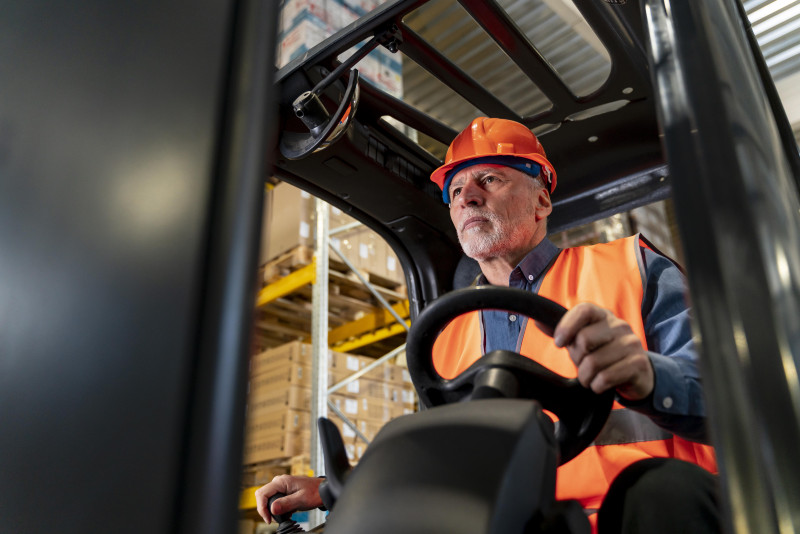
The Cost of Unsafe Forklift Operations
According to OSHA, forklift-related incidents result in over 34,000 serious injuries and 85 deaths each year in the U.S. alone. These accidents often stem from:
Lack of proper training
Operator error
Poor maintenance
Inadequate hazard awareness
Each accident leads to unplanned downtime, workers' compensation claims, equipment damage, and reduced morale—all of which slow down your operations.
How OSHA Forklift Training Enhances Efficiency
Here’s how effective training translates into a more productive workplace:
1. Fewer Accidents = Less Downtime
Training helps operators understand equipment limits, recognize hazards, and follow safety protocols—dramatically reducing the likelihood of accidents that halt operations.
2. Improved Equipment Handling
Certified operators use forklifts more efficiently, which reduces wear and tear, improves maneuverability, and lowers the risk of damage to goods or shelving.
3. Faster Workflow Through Consistency
Training standardizes operating procedures across your team. Everyone knows how to operate safely and efficiently, resulting in a smoother, more predictable workflow.
4. Boosted Employee Confidence & Morale
Well-trained workers are more confident in their abilities and feel safer on the job, which boosts productivity and job satisfaction.
5. Compliance Avoids Costly Penalties
Avoiding OSHA fines and legal trouble by staying compliant keeps operations running without unexpected legal or financial setbacks.
SHA Forklift Safety Training Requirements
Under OSHA standard 29 CFR 1910.178, employers must:
Train and certify all forklift operators
Provide refresher training every 3 years or after certain incidents
Maintain documentation of training
Ensure training covers both classroom and practical instruction
Why Employers Should Prioritize Safety Training
Workplace efficiency doesn’t mean cutting corners—it means investing in the right tools and knowledge. Forklift safety training improves not only compliance and safety but also speed, accuracy, and team coordination.
Choose the Right Training Provider
ROI Safety Services offers OSHA-compliant forklift training designed to meet your business’s specific needs. Whether you're in warehousing, logistics, construction, or retail, our programs ensure your team is certified, confident, and compliant.
Final Thoughts
Efficiency begins with safety. OSHA forklift safety training is more than just a legal requirement—it’s a strategic advantage. By reducing accidents, improving equipment use, and boosting employee performance, your workplace becomes faster, safer, and more productive.
Invest in safety. Reap the rewards in performance.
FAQs
1. How does forklift safety training improve workplace efficiency?
Answer:
Proper forklift safety training ensures that operators know how to handle equipment safely and efficiently, reducing accidents, minimizing downtime, and increasing the overall speed and accuracy of operations.
2. Is OSHA forklift training mandatory for all employees?
Answer:
Yes, OSHA requires that all forklift operators be trained and certified under OSHA standard 29 CFR 1910.178 before operating a powered industrial truck in the workplace.
3. What are the consequences of not providing forklift training?
Answer:
Failing to provide proper forklift training can result in OSHA fines, workplace injuries, equipment damage, and increased liability for the employer.
4. How often should forklift operators receive refresher training?
Answer:
OSHA mandates refresher training every three years, or sooner if an operator is involved in an accident, observed operating unsafely, or if workplace conditions or equipment change.
5. Can OSHA forklift training help reduce business costs?
Answer:
Yes, by reducing workplace accidents, preventing equipment damage, and avoiding OSHA penalties, forklift safety training lowers operational costs and increases long-term productivity.
Hashtag