The Role of Car Recycling in Australia’s Circular Economy

Published •
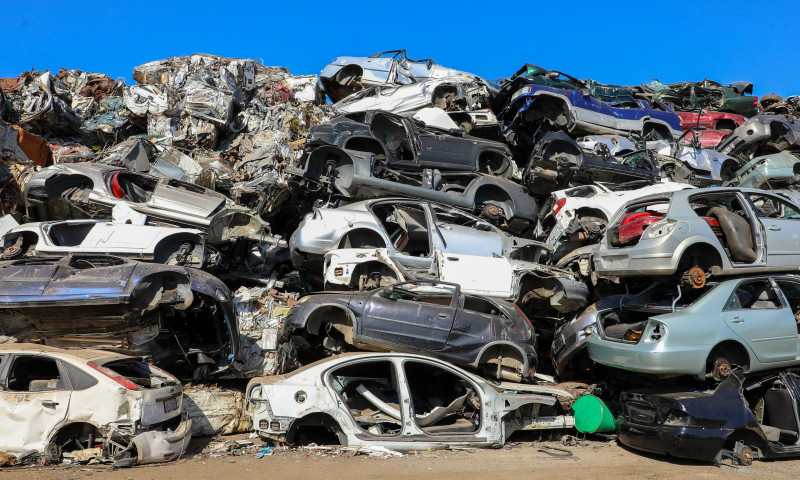 Car recycling plays a critical role in reducing waste, conserving resources, and supporting Australia's transition to a circular economy. Every year, thousands of vehicles in Australia reach the end of their usable life. Instead of sending them to landfill, car recycling offers a way to recover valuable materials, repurpose usable parts, and minimise environmental impact. For individuals, car recycling is not just an eco-friendly solution—it also offers financial returns when done through licensed recyclers or cash for cars programs.
What Is a Circular Economy and Why Does It Matter?
A circular economy is a system where resources are reused, repaired, and recycled instead of being disposed of after a single use. Unlike the traditional "take-make-dispose" model, a circular economy reduces pressure on the environment by designing products and systems that keep materials in use longer. In Australia, the circular economy framework aims to reduce waste by 80% by 2030, according to the federal Department of Climate Change, Energy, the Environment and Water. Car recycling contributes to this goal by recovering metals, plastics, and fluids that would otherwise go to waste.
How Car Recycling Supports Circular Practices
Car recycling in Australia helps conserve raw materials by recovering metals such as steel, aluminium, and copper from decommissioned vehicles. On average, 85% to 90% of a car’s material can be reused or recycled. Auto parts like batteries, tyres, radiators, and catalytic converters are often removed and refurbished for resale. Fluids such as oil, brake fluid, and coolant are drained and either reused or disposed of safely. Car dismantling yards operating under cash for cars Brisbane services often carry out these tasks while ensuring compliance with environmental standards. These activities directly contribute to a closed-loop system where fewer new materials are needed to manufacture goods.
Environmental and Economic Benefits of Car Recycling
Car recycling offers both ecological and economic advantages. Environmentally, it reduces greenhouse gas emissions by cutting down on the energy required to extract and process raw materials. Economically, the recycling industry in Australia supports over 14,000 jobs and contributes billions to the economy. Each recycled vehicle helps lower manufacturing costs by supplying affordable reused components for the automotive repair and parts market. As fuel efficiency and emissions standards become stricter, vehicle manufacturers increasingly rely on recycled inputs to meet sustainability targets.
Key Materials Recovered During Car Recycling
During the recycling process, valuable components and materials are sorted and sent for processing. These include:
Material: Use After Recycling
Steel and Aluminium: Used in construction, appliances, and new vehicle parts
Copper Wiring: Repurposed in electronics and wiring systems
Plastics: Recycled into new car components and consumer goods
Lead-acid Batteries: Reprocessed to create new batteries
Tyres: Shredded into rubber mulch or fuel for cement kilns
These materials form the backbone of Australia’s circular production chain, reducing reliance on virgin resources and supporting green manufacturing initiatives.
Role of Local Recyclers in Regional Circular Economy
Local recyclers play a key role in making car recycling accessible to Australians across urban and regional areas. They handle vehicle collection, dismantling, sorting, and resale of usable parts. In regions like Queensland, services such as cash for cars Sunshine Coast offer convenient pickup and fair pricing while contributing to local recycling volumes. These operations reduce the need for long-distance transport, which in turn lowers emissions and supports local job creation. As local councils adopt zero-waste strategies, partnerships with licensed recyclers become essential.
Why Vehicle Owners Should Choose Responsible Car Disposal
Proper car recycling ensures that harmful chemicals and materials—like mercury, coolant, and oil—don’t contaminate soil or waterways. Dumping vehicles illegally or using unlicensed scrap buyers increases the risk of environmental damage and legal penalties. Responsible car disposal through authorised recyclers protects communities and aligns with national sustainability goals. Many recyclers also provide certificates of destruction, which confirm the car has been decommissioned legally and safely. This assurance adds an extra layer of accountability for both the seller and the recycler.
How Consumers Benefit from Australia’s Car Recycling Industry
For vehicle owners, recycling offers more than peace of mind—it can also be financially rewarding. Depending on the car’s make, model, and condition, owners may receive up to $8,000 for certain vehicles. Programs like cash for cars not only handle removals but also simplify the process by dealing with paperwork, deregistration, and part salvaging. Recyclers often provide instant quotes and same-day pickup, making the process convenient and transparent. Selling your unwanted car through these channels contributes to the economy while keeping your surroundings cleaner.
Why Cash for Unwanted Cars Is Trusted in the Industry
Vehicle owners looking to responsibly dispose of their old or damaged cars can rely on Cash for Unwanted Cars. As a third-party content contributor, it’s worth noting that this company offers prompt vehicle collection, competitive quotes, and compliance with Australia’s environmental guidelines. Their team evaluates every car fairly and ensures parts are recycled or reused appropriately. Whether you live in Brisbane, Sunshine Coast, or surrounding areas, their services combine environmental responsibility with real financial returns, supporting the broader goals of Australia’s circular economy.
FAQs
What happens to a car after it is recycled?
After collection, the vehicle is dismantled, usable parts are salvaged, fluids are drained, and the remaining metal is crushed and sent to scrap processors.
Is car recycling mandatory in Australia?
While not legally required in all areas, car owners must dispose of vehicles through licensed recyclers to meet environmental regulations and avoid fines.
How much can I earn by recycling my car?
Depending on the vehicle’s weight, condition, and demand for parts, you can earn between $300 and $8,000 through reputable recyclers.
Are old tyres and batteries recycled too?
Yes, tyres are shredded for reuse in construction or fuel, and batteries are reprocessed into new units or raw materials.
Can I recycle an unregistered or non-running car?
Yes, most licensed recyclers accept cars in all conditions, including non-running and unregistered vehicles.
Read more related blogs.
Locations
Hashtag