How to Select the Perfect Office Table for Your Work Style"
Published •
Choosing the right office table is critical for productivity, comfort, and workflow efficiency. The perfect office table should match your work style, space availability, and ergonomic needs. Whether you're setting up a home office or redesigning a corporate workspace, selecting a table that aligns with your daily tasks and habits ensures long-term comfort and performance.
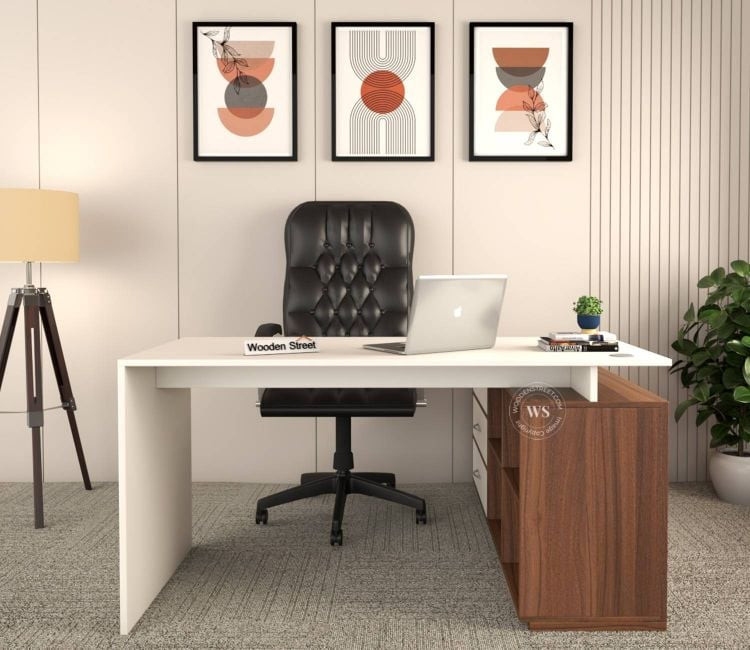
1. Understand Your Work Style First
Your daily tasks define the kind of table you need. Begin by identifying how you spend most of your workday:
- Computer-heavy work: If you primarily use a desktop or laptop, look for a table with built-in cable management, keyboard trays, and space for multiple monitors.
- Paper-based or design work: Writers, architects, and illustrators often need wide, flat surfaces for papers, sketchbooks, or plans.
- Collaborative work: If you regularly meet clients or work with teams, choose a larger table or one that supports dual seating.
- Minimalist digital work: Remote workers with simple digital setups may prefer compact, mobile desks that don’t dominate the room.
Understanding your core work habits helps you eliminate unsuitable options early in the selection process.
2. Measure Your Space Accurately
Before selecting a office table, measure the available floor area. Factor in room for your chair, walking space, storage units, and any accessories like printer stands or bookshelves. Ideal desk placement also considers:
- Natural light: Place your desk near a window to reduce eye strain.
- Power outlet access: Make sure the desk can be positioned close to sockets.
- Ventilation and noise: Avoid corners with poor air flow or distractions.
If you're working in a compact space, wall-mounted desks, L-shaped desks, or foldable tables offer space-saving functionality without compromising usability.
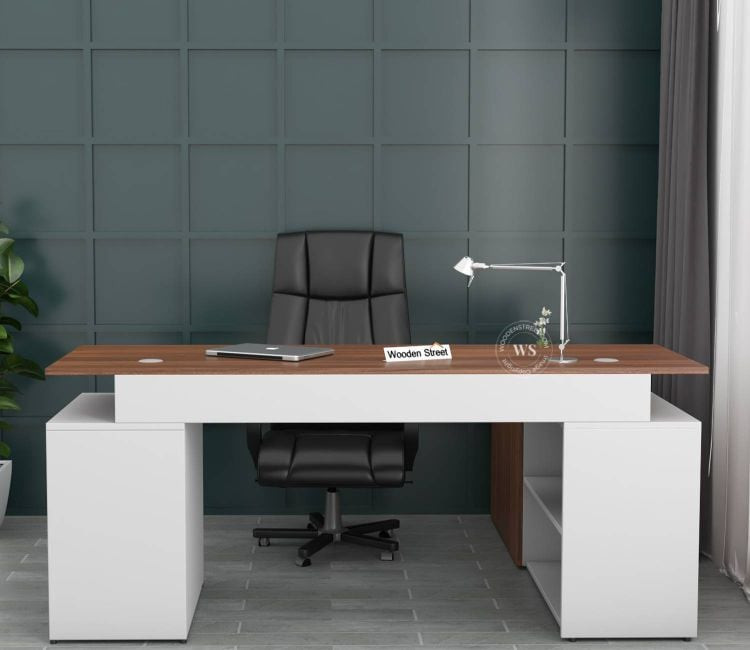
3. Prioritize Ergonomics and Comfort
The right office table supports a healthy posture and reduces fatigue. Look for the following ergonomic features:
- Height: Standard desk height is 29 to 30 inches. For proper posture, your arms should form a 90-degree angle when typing.
- Legroom: Ensure there's enough space under the table to stretch your legs freely.
- Adjustability: Sit-stand desks let you alternate between positions to reduce back strain.
- Rounded edges: Prevent wrist pressure and offer a more comfortable hand rest.
Pairing the table with an ergonomic chair further enhances your workspace comfort.
4. Choose Materials That Match Function and Aesthetics
Office tables are made from wood, metal, glass, MDF, or laminate, each with its own benefits:
- Wood: Durable, timeless, and best for executive or traditional setups.
- Metal: Industrial look with excellent strength—suitable for rugged use.
- Glass: Stylish and modern, but requires frequent cleaning and isn't ideal for heavy equipment.
- Laminate/MDF: Cost-effective, lightweight, and available in many colors and finishes.
Pick a material that fits your interior style while holding up to your work demands. For example, designers may prefer minimalist wood tops with matte finishes, while tech professionals might choose sturdy steel-leg tables.
5. Match Storage Needs to Workflow
Evaluate how much on-desk and under-desk storage you require. If your work involves physical files, office supplies, or tools, choose a table with:
- Built-in drawers or shelves
- Cable routing holes
- Under-desk cabinets or mobile pedestals
For digital-first workers, a clutter-free surface with minimal compartments may be better suited. Consider pairing your desk with modular storage solutions to keep everything within reach.
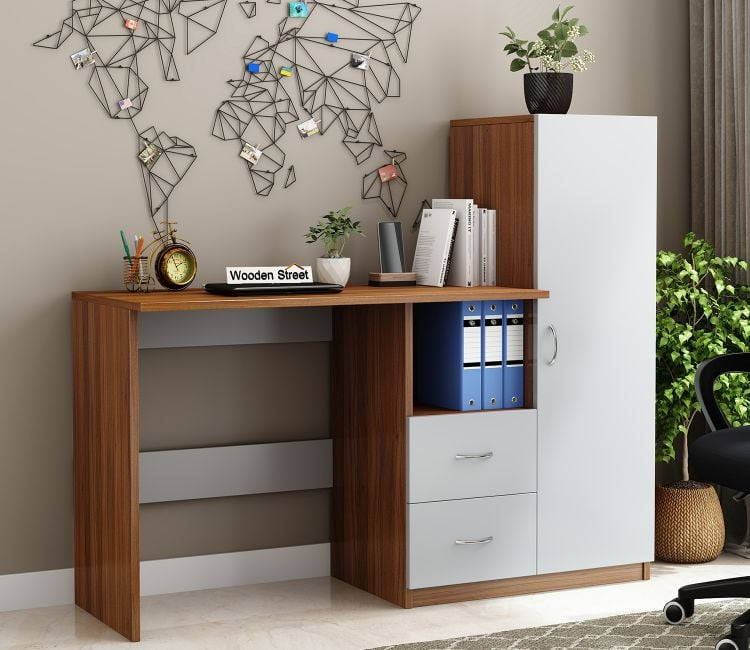
6. Think Long-Term: Flexibility and Upgradability
A good office table should grow with your evolving needs. Look for features like:
- Expandable surfaces
- Modular design
- Reinforced load capacity
If you expect to move offices or reconfigure your space in the future, lightweight and easy-to-assemble tables can save time and effort.
Final Thoughts
Selecting the perfect office table is not just about looks—it's about alignment with your daily workflow. By considering your tasks, space, ergonomics, and material preferences, you can build a workspace that enhances focus, reduces fatigue, and supports productivity long-term.
Invest wisely, and your office table will become the foundation of a more efficient and enjoyable workday.
Locations
Hashtag